On May 19–20, Oslo hosted a two-day workshop focused on transforming tuberculosis (TB) care through peer-to-peer support. Organized by Stop Tuberculosis – LHL Internasjonal in partnership with the European Coalition Against Tuberculosis and the Latvian Tuberculosis Foundation, the event brought together approximately 60 experts and community representatives from 14 countries within the WHO European Region.
The workshop served as a critical platform for exchanging successful practices, addressing implementation barriers, and engaging in dialogue with Ministries of Health to transition community-led models into sustainable national policies.
The Role of Peer-Led Initiatives
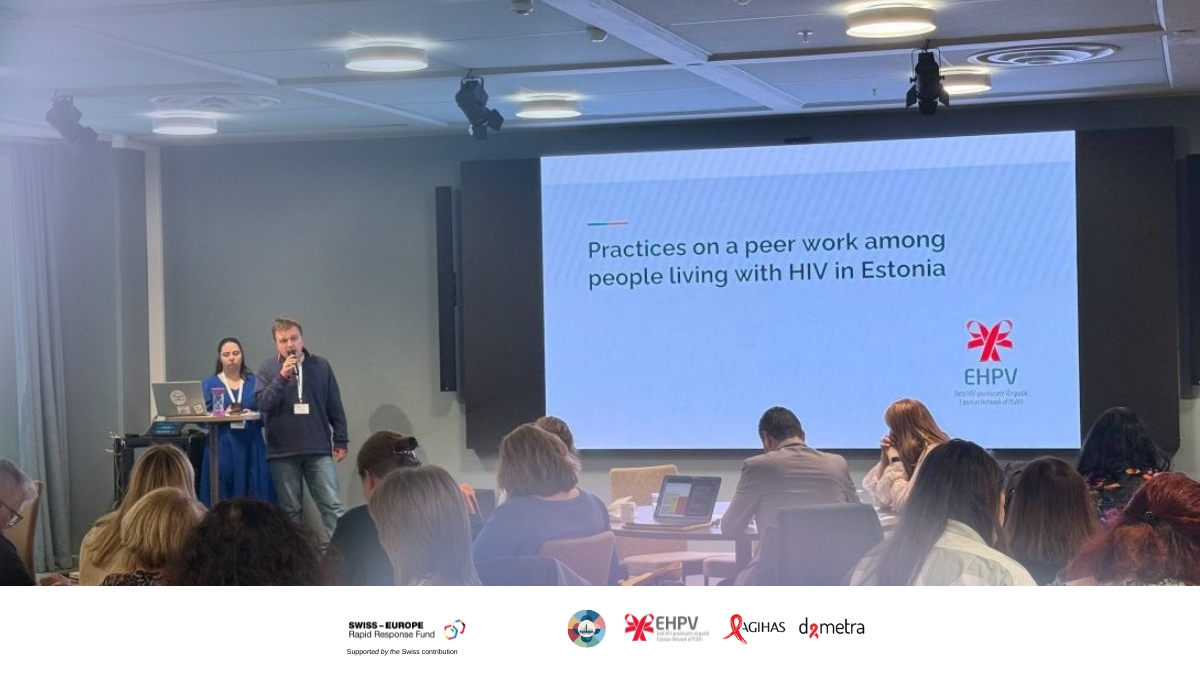
The Estonian delegation, represented by Nataliia Cheporniuk and Gleb Kuznetsov of the Estonian Network of People Living with HIV (EHPV), presented Estonia’s progress in combining national healthcare strategies with community-led initiatives. Their work highlights the effectiveness of the peer-to-peer approach, where trained consultants support their own community members. This strategy is essential for overcoming social barriers and increasing trust in medical services, particularly among vulnerable populations.
Tuberculosis Landscape in the Baltic States
The Baltic region continues to navigate complex challenges regarding TB control, specifically concerning drug-resistant forms and TB/HIV co-infection.
-
Estonia: The country has achieved historic progress, officially becoming a low-incidence nation in 2025 with fewer than 10 cases per 100,000 population. Recorded cases fell from 90 in 2024 to 87 in 2025—a remarkable improvement compared to 812 cases in 2001. However, Estonia continues to face high rates of drug resistance, currently at 19.4% of pulmonary cases, significantly higher than the European average of 4.3%.
-
Lithuania: Remains one of the most affected countries in the EU, with an incidence rate of approximately 23 cases per 100,000 population. Annually, the country registers between 600 and 650 new active TB cases.
-
Latvia: Incidence rates are declining, currently hovering around 15–16 cases per 100,000 population, totaling approximately 280–320 new cases per year.
Key Challenges for TB Control
Despite progress, several structural and social barriers hinder the eradication of tuberculosis in the Baltic region:
-
High Rates of Multidrug Resistance (MDR-TB): While overall incidence is dropping, the proportion of resistant cases remains critically high compared to the rest of the European Union.
-
Treatment Adherence: Retaining patients from vulnerable demographics—such as homeless individuals or those with substance dependencies—within a strict multi-month treatment regimen remains difficult.
-
Latent Tuberculosis (LTBI): Often described as a “ticking time bomb,” latent TB poses a significant risk to individuals with compromised immunity, particularly those living with HIV, diabetes, or those under severe stress.
-
Late Diagnosis: As TB becomes less common, public awareness diminishes. Patients often delay seeking medical help until the late stages, inadvertently extending the period during which they remain infectious to others.
-
Migration Risks: Overcrowded temporary housing and the severe psycho-emotional stress associated with migration can cause latent TB to rapidly progress into active, infectious forms.
-
Treatment Gaps for HIV/TB Co-infection: Irregular adherence to HIV medication, often caused by migration or social instability, leads to drug resistance, rendering standard treatment regimens ineffective.
-
Underfunded Peer Support: Government funding for community-led initiatives remains insufficient, despite the evidence that peer-to-peer approaches are the most effective way to engage hard-to-reach populations.
-
Undetected Transmission: The WHO estimates that approximately 20% of TB cases in the European Region remain undiagnosed, meaning the actual disease burden likely exceeds official statistics.
Moving Forward
The workshop concluded that the integration of peer-to-peer support into national TB programs is not merely an optional addition but a necessity for reaching the “last mile” of patients. By prioritizing early diagnosis, funding community-led outreach, and focusing on latent forms of the disease, the Baltic states can continue their progress toward achieving a TB-free future.