Asking for support is not always easy. For many people, the first step may be the hardest — especially when the situation involves health, loss of income, family responsibilities, urgent decisions, or fear of judgement.
For refugees and people in vulnerable situations, this fear can become a real barrier to support. A person may worry about sharing personal information, explaining difficult circumstances to someone they do not know, or being judged for the decisions they have to make. In some cases, people delay asking for help because they are afraid that their situation will not be understood or that their privacy will not be protected.
This is why confidential and non-judgemental support is essential.
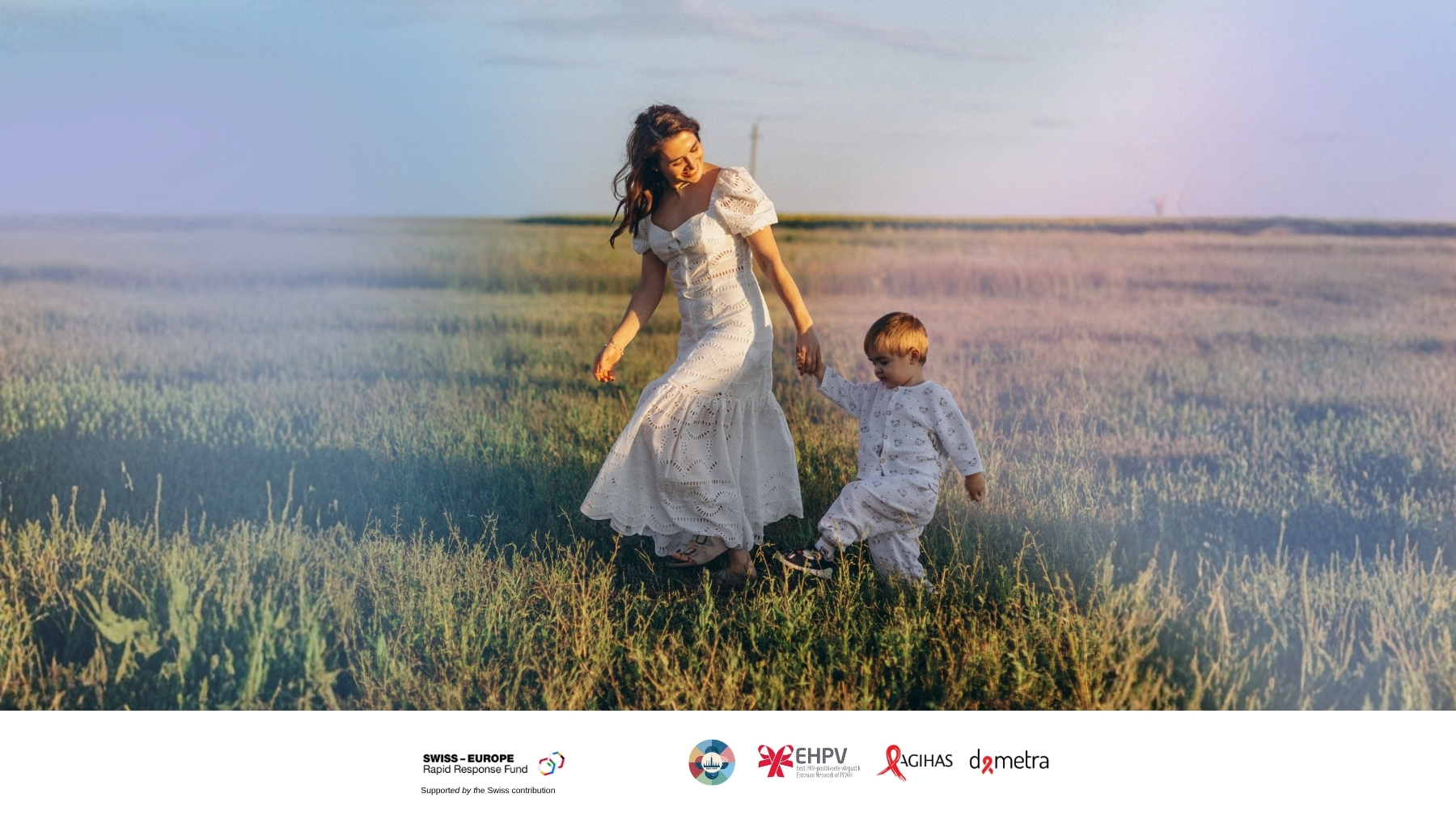
One anonymised support story within RefAid BaltHUB began when a woman with a child contacted the organisation through social media. She had been living in Tallinn since 2022, but due to health problems, she was temporarily unable to work. Later, she urgently needed to return to Ukraine because her elderly parents were facing difficult life circumstances and required ongoing care.
Because of the loss of income and the urgency of the situation, the family could not cover the travel costs or the transportation of personal belongings on their own.
Within the support provided, the family received help with tickets to Ukraine for the mother and child, transportation of their personal belongings, and 1.5 months of housing rent in Ukraine. This gave the family time to settle more calmly after returning and allowed the woman to be close to her parents and provide the care they needed.
This story shows that support is not only about solving one practical issue. It can also mean helping a person make a difficult transition safely, with dignity and without being left alone.
At RefAid BaltHUB, we understand that behind every request there is not just a “case,” but a real life, a specific context, and often a difficult decision. Support should protect privacy, respect the person’s choices, and help them understand possible next steps without pressure or judgement.
If you fear judgement or disclosure, you can reach out confidentially.
You do not need to explain everything perfectly before asking for support. Sometimes the first step is simply saying that you need help and do not know where to begin.
This story has been anonymised to protect confidentiality.