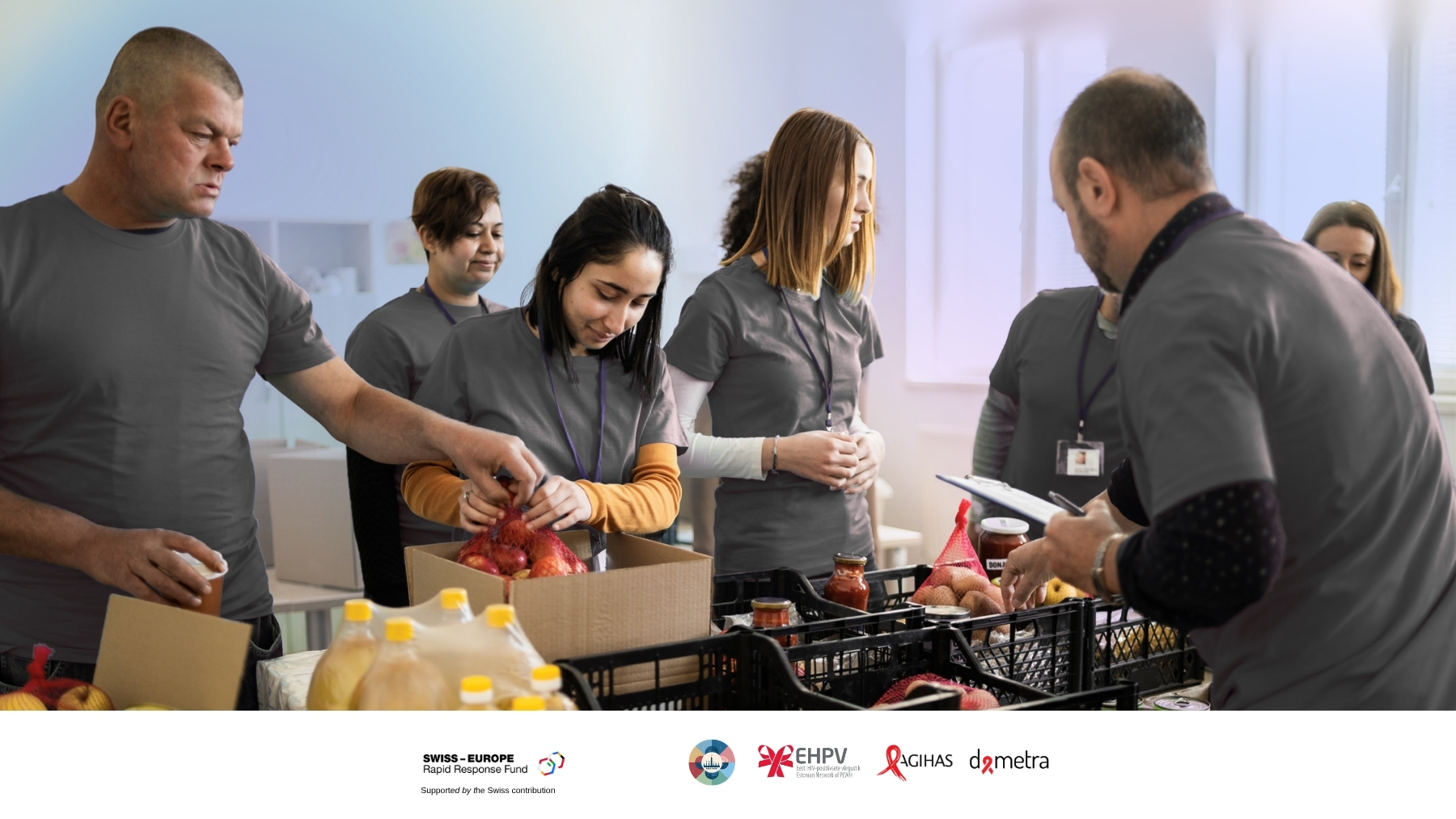
On 19 August, we mark World Humanitarian Day — a reminder that humanitarian support is not only about responding quickly to crisis. It is also about how this support is provided.
For people who have been forced to leave their homes, rebuild their lives in a new country, or face uncertainty after displacement, humanitarian assistance can be a crucial source of stability. But support should never make a person feel powerless, ashamed, or judged.
Humanitarian support must protect dignity.
This means listening to people’s real needs, respecting their choices, and recognising that every situation is different. A person may need help with documents, access to healthcare, housing, social services, psychosocial support, or basic necessities. But behind every request there is also a human story, often shaped by stress, fear, loss, and uncertainty.
Support must also be safe.
For people in vulnerable situations, safety includes more than physical protection. It also means confidentiality, clear communication, respectful treatment, and the right to ask for help without fear of stigma. No one should have to prove that their situation is “serious enough” to deserve support.
Stigma can become a barrier to assistance. It can stop people from asking questions, sharing their needs, accessing services, or returning for help when the situation becomes more difficult. This is why stigma-free support is not an additional principle — it is a necessary part of effective humanitarian work.
Within RefAid BaltHUB, we support an approach that places people at the centre. This means looking not only at urgent needs, but also at the person’s context, safety, privacy, and right to make informed decisions.
Humanitarian support should help people regain a sense of stability, not take away their voice. It should create trust, not fear. It should offer practical help while respecting the person’s dignity at every step.
On World Humanitarian Day, we reaffirm that people in crisis deserve support that is safe, confidential, respectful, and free from stigma.
Support approaches that put people’s safety and dignity at the centre.