A Family’s Journey to Stability: How RefAid BaltHUB Supported Ukrainian Refugees in Lithuania
Sometimes, the struggle for stability continues even after reaching a safer country.
For families forced to leave Ukraine because of the war, arriving in another country can bring hope for a more peaceful future. However, unfamiliar legal procedures, financial difficulties, and the responsibility of caring for loved ones can make rebuilding everyday life particularly challenging.
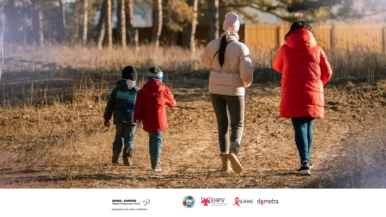
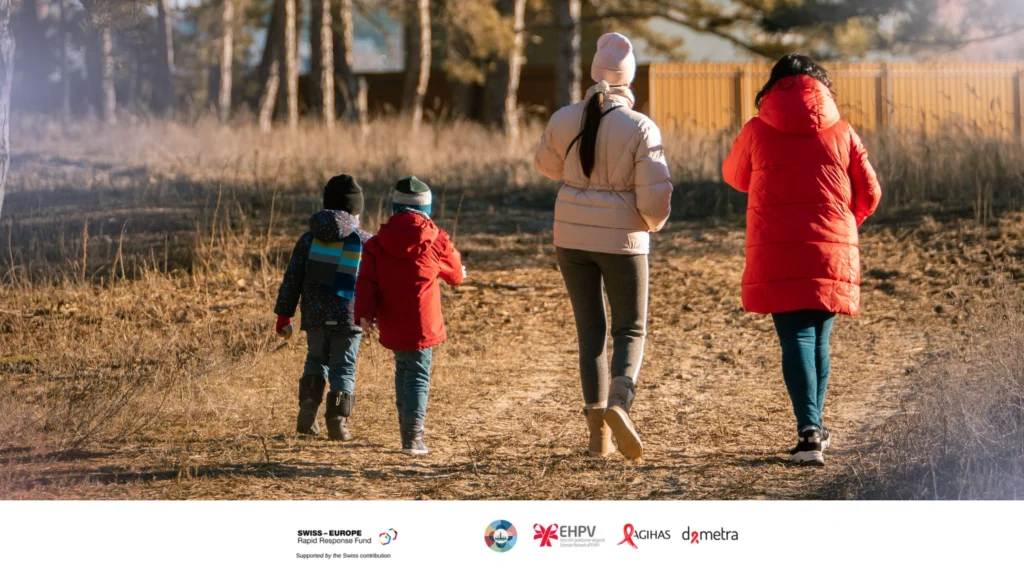
This is the story of a Ukrainian mother who arrived in Lithuania with her children and a close family member requiring additional care — and how coordinated assistance helped them overcome important obstacles.
Seeking Safety, Facing New Challenges
In summer 2026, the family arrived in Lithuania after leaving Ukraine because of the war.
Through local social workers, the mother learned about RefAid BaltHUB and the assistance available through the project. She decided to reach out for support.
However, the family’s situation was more complicated than expected.
Some family members had been refused temporary protection in Lithuania. Their previous stay in another European country had created administrative complications that affected the application process.
After experiencing difficult living conditions during that earlier period of displacement, the family had returned to Ukraine. Now, having been forced to leave again, they faced uncertainty about their legal status and their future.
Alongside these challenges, the mother was responsible for caring for children and a relative requiring additional assistance.
The family needed more than information. They needed coordinated legal guidance and practical support.
Finding a Way Through Complex Procedures
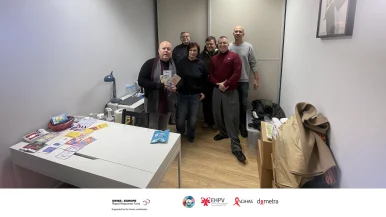
Through RefAid BaltHUB and its Lithuanian partner, Association Demetra, efforts were made to clarify the family’s situation and identify possible legal solutions.
This involved communication with relevant parties, reviewing the circumstances, and preparing documentation for further residence-related procedures.
An important step was arranging a visit to a Belgian diplomatic mission in Poland to address outstanding documentation issues.
However, travelling abroad with a large family required financial resources that were not readily available.
Thanks to the support of donors, the necessary funds were raised to make the journey possible.
The embassy visit helped move the documentation process forward and brought greater clarity to the family’s situation.
Practical Assistance for Everyday Needs
While legal questions were being addressed, the family also needed help with essential living expenses.
With winter approaching, suitable warm clothing for the children was an immediate concern.
The team helped arrange warm clothes and other necessary items. Emergency assistance was also provided through Maxima supermarket vouchers, allowing the family to purchase food and essential supplies.
These forms of assistance were important because legal uncertainty existed alongside the everyday responsibilities of caring for a large family.
Resolving documentation issues does not remove the need for food, clothing, or stability in daily life.
That is why support had to address several interconnected needs rather than focusing on a single problem.
When Different Forms of Support Come Together
This family’s experience demonstrates the importance of cooperation between social workers, community organisations, relevant professionals, and donors.
An initial referral helped the mother find an organisation she could contact. Further assistance involved navigating administrative procedures, identifying possible solutions, arranging travel, and responding to immediate material needs.
No single intervention could address every challenge.
But by bringing together different resources and forms of assistance, the family was able to make meaningful progress.
The embassy visit became possible, the documentation process moved forward, and essential supplies helped ease some of the family’s immediate difficulties.
RefAid BaltHUB: Support That Responds to People’s Needs
Within RefAid BaltHUB, Ukrainian refugees in Estonia, Lithuania, and Latvia can receive information, counselling, service navigation, referrals, psychosocial support, and practical assistance, depending on their circumstances and available resources.
The project is implemented through cooperation between EHPV in Estonia, Association Demetra in Lithuania, and AGIHAS in Latvia.
An important part of this approach is recognising that people rarely experience challenges in isolation.
A request for assistance with documents may also involve housing insecurity, financial difficulties, healthcare needs, or responsibility for family members.
Responding effectively requires understanding these connections and identifying suitable support options.
Every Step Towards Stability Matters
The family’s journey was marked by uncertainty, complicated procedures, and difficult circumstances.
The assistance provided did not resolve every challenge overnight, but it helped the family address urgent needs and make progress towards greater stability.
Sometimes meaningful support is not about finding one solution to every problem. It is about bringing together people, resources, and opportunities to help a family move forward.
RefAid BaltHUB continues working with its partners to make support more accessible, inclusive, and responsive to the needs of Ukrainian refugees across the Baltic countries.
This story has been anonymised, and certain personal details have been omitted or generalised to protect the family’s privacy.