When we talk about support for people who have been forced to leave their homes because of war, it may seem that the most important thing is to provide a list of services or contacts. But in practice, this is not always enough.
For a person in a new country, even the first message or phone call can be a difficult step. Not because support is not needed, but because there are often many invisible barriers before a person reaches out.
A person may not know whether their situation is “serious enough” to ask for help. They may not understand where to begin, which documents are needed, whom exactly to contact, or how to explain their situation clearly. There may also be fear of judgement, language barriers, or previous experiences when a person tried to seek support but did not receive a clear response.
On top of this, there is exhaustion. For many Ukrainian refugees, life in a new country means constantly learning how to navigate new systems: social, medical, administrative, educational, and legal. Sometimes a person is already so overwhelmed that even finding the right contact or writing a message feels too difficult.
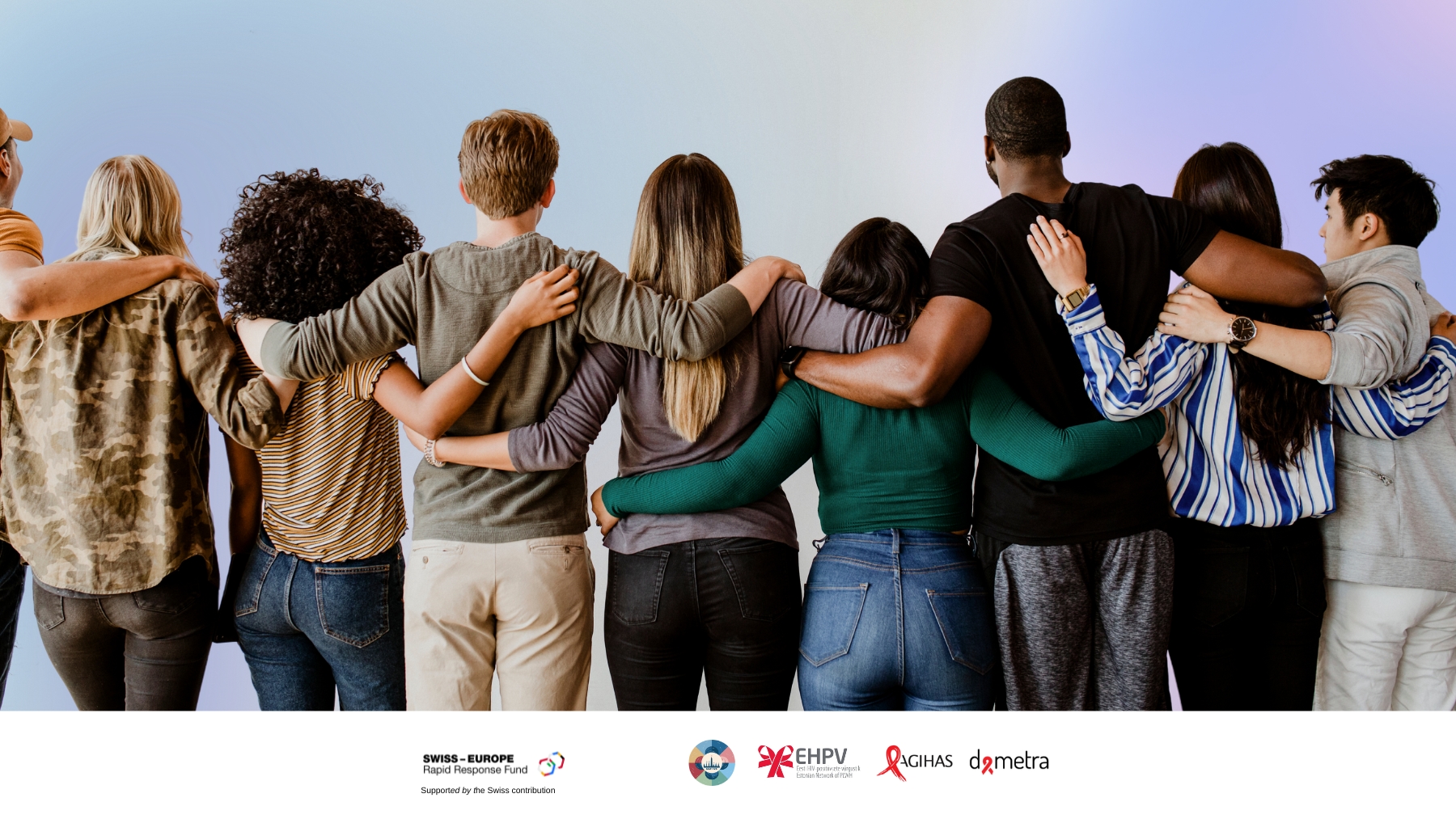
This is why support should not only be formally available. It should also be human, understandable, and close to the people who need it.
Within RefAid BaltHUB in Estonia, support is provided by the Estonian Network of People Living with HIV (EHPV). This means not only sharing information, but also offering navigation, accompaniment, explanation of available options, and help with the first step. Behind support, there are people who understand the context of Ukrainian refugees and can help without judgement.
“People are often held back not by a lack of support, but by the barrier of taking that first step and reaching out. That is why I firmly believe that support should be close at hand, easy to understand, and accessible. In Estonia, we work in Tallinn, Tartu, Jõhvi, Pärnu, and Narva so that everyone can seek help wherever it is most convenient for them.
It is important for us to be where people need us, not only where it is convenient for us. That is why we provide support not only through our centres, but also online, so that everyone can access help when they truly need it,” says Latšin Alijev, Director of the Estonian Network of People Living with HIV (EHPV).
Having support available in different locations across Estonia and online helps make assistance more accessible to people in different life circumstances. This matters because not everyone can easily reach one central support point, and needs can arise in very different situations: from documents and social services to medical navigation, psychosocial support, or emergency assistance.
Sometimes asking for support does not begin with a perfectly formulated request. And that is completely normal. A person can simply write: “I need help, but I do not know where to start.”
A short message like this can become the beginning of a path toward a solution.
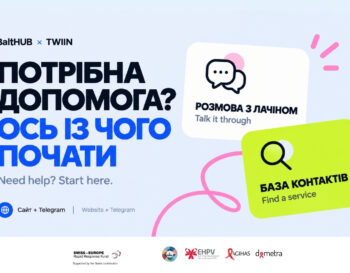
If you are hesitating or do not know where to turn, you can start with a simple request. RefAid BaltHUB helps Ukrainian refugees understand what support is available and find the next step in their situation.