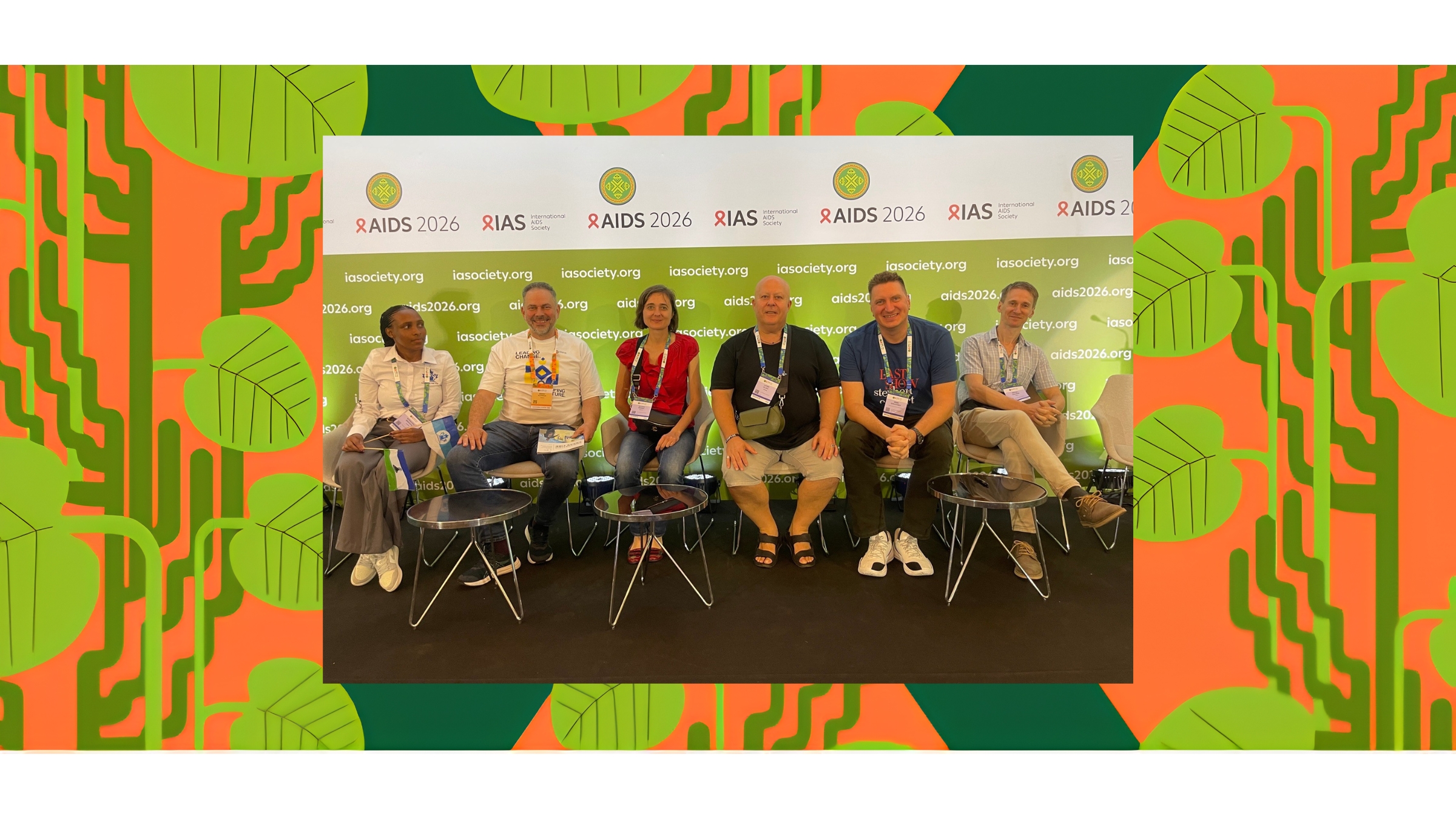
Yesterday morning, ahead of the official opening of the #AIDS2026 conference, community representatives had the opportunity to speak at a pre-conference event focused on HIV treatment.
HIV Treatment at a Crossroads: five hours, three sessions and one key question running through every discussion:
Who controls innovation—and who gets access to it?
The first session focused on the current state of the global movement: 30 years of the TRIPS Agreement, a funding crisis threatening treatment programmes and shrinking civic space. Yet communities continue to fight and defend people’s rights.
What have we achieved, and what are we still fighting for?
Communities are not waiting for governments or pharmaceutical companies to make decisions on their behalf. They challenge patents, generate their own data and oppose “evergreening” practices that artificially keep medicine prices high and restrict access to affordable generics.
The focus is on people, not patents. This principle lies at the heart of today’s agenda.
Artificial intelligence is already transforming drug development, health systems and the ways people access healthcare. Technology is advancing rapidly, but one essential question remains:
Who are these technologies being developed for?
Communities must be involved from the very beginning—not invited to participate after decisions have already been made, but recognised as equal partners in shaping the future.
New technologies offer enormous potential, but these opportunities also come with risks.
Community activists, lawyers, scientists, AI specialists and health economics experts have spent years building the evidence base and demanding accountability from systems—long before these issues became part of the global agenda.
The session also included a meeting between representatives from Estonia and Ukraine, international experts and community leaders.
Follow #AIDS2026 throughout the week. 🌍